
big pictures 2024
INTERDISCIPLINARY CONFERENCE OF ART + DESIGN
✱
INTERDISCIPLINARY CONFERENCE OF ART + DESIGN ✱
10–11 may 2024
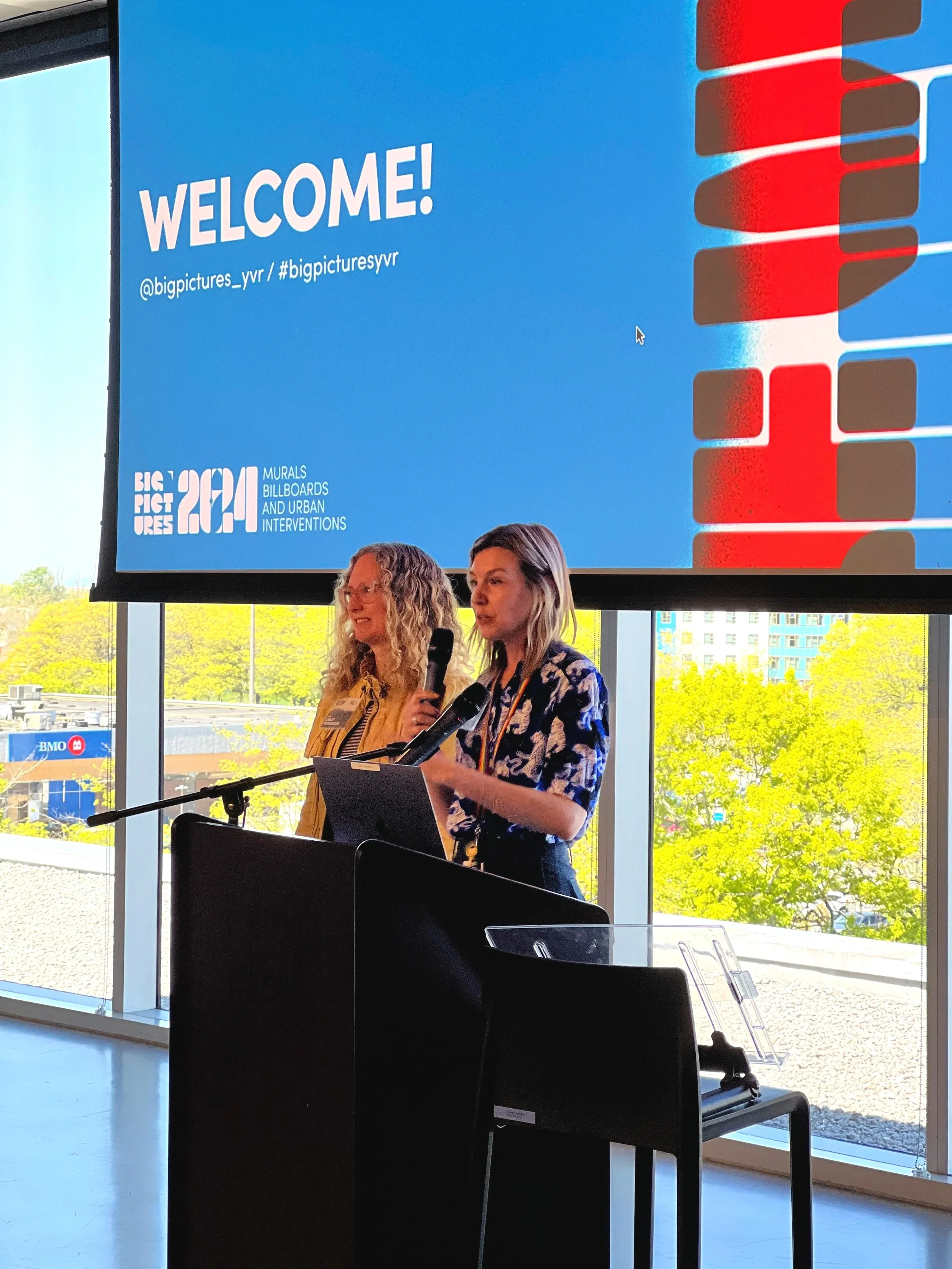
We proudly held a second year of Big Pictures: Murals, Billboards, and Urban Interventions. This conference of art and design was first produced in the spring of 2023 at the Wilson School of Design at KPU.
We welcomed you for another opportunity to share your work and gather inspiration from artists, designers, curators, producers, and researchers exploring the role of imagery in the built environment. We asked how narratives are constructed or disrupted through the visual signs and symbols adorning our urban spaces; how images reflect cultural values and create a sense of agency—or alienation; and how meaningful experiences can be formed through interventions in the routines of everyday life. Across digital screens, neon installations, augmented reality, and surfaces reimagined through murals, graffiti, and photographic works, messages wove through the dense fabric of cities around the globe.


Keynote panel
art on the canada line
Friday, May 10, 2024
no. 3 road art columns
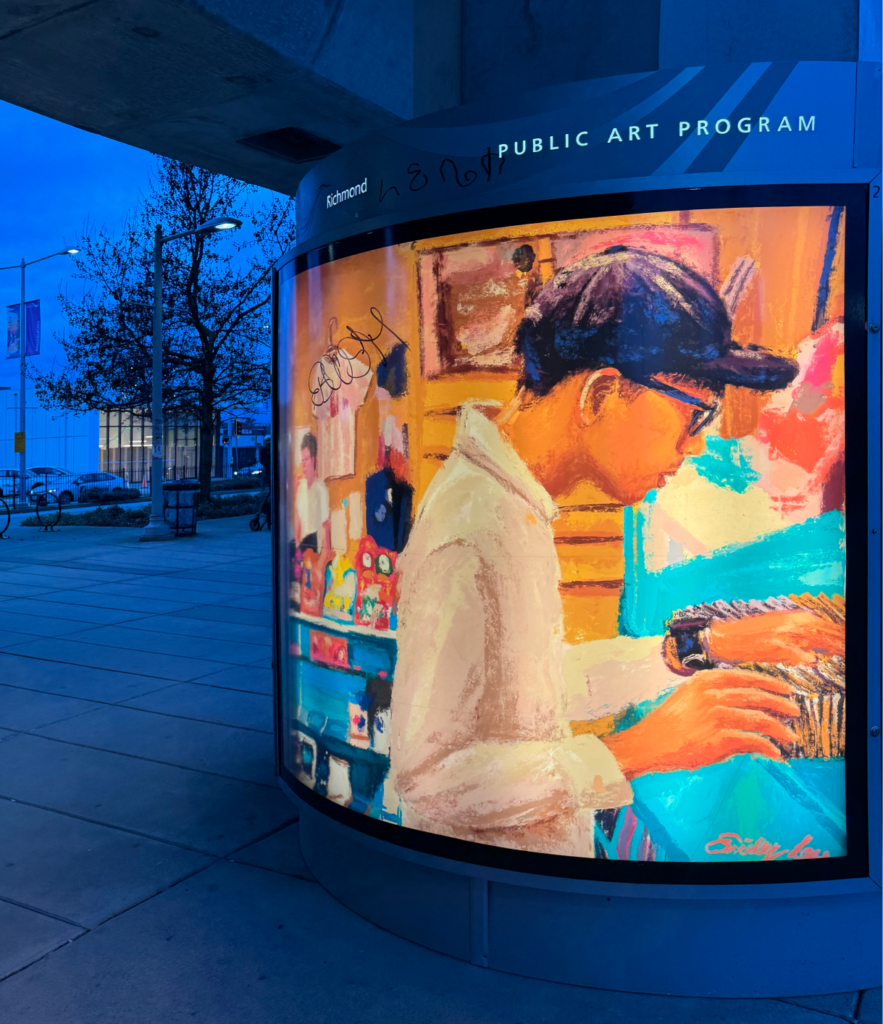
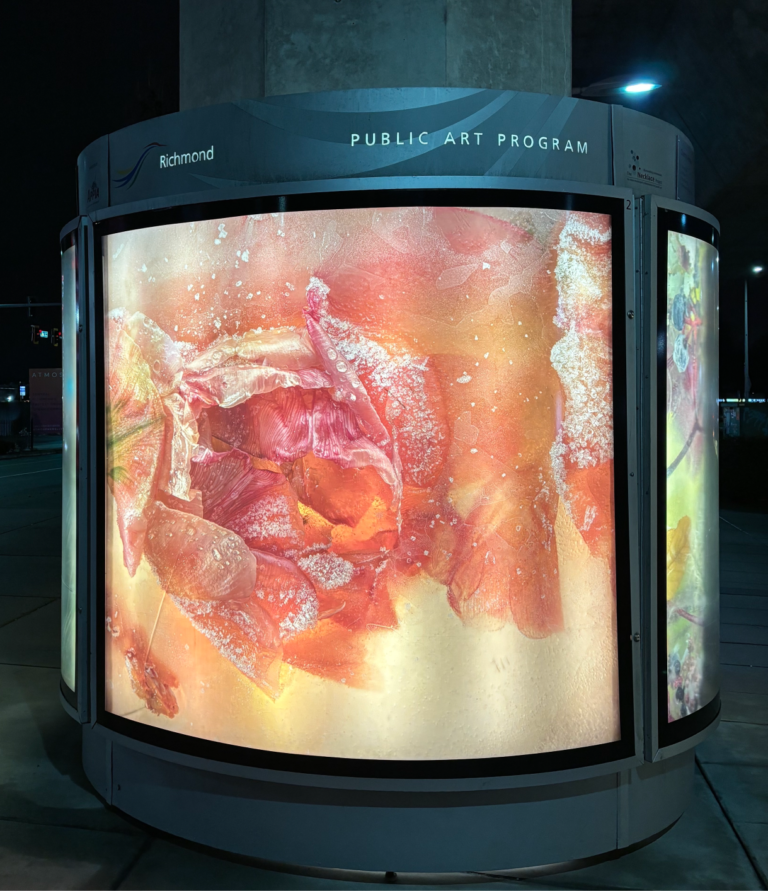
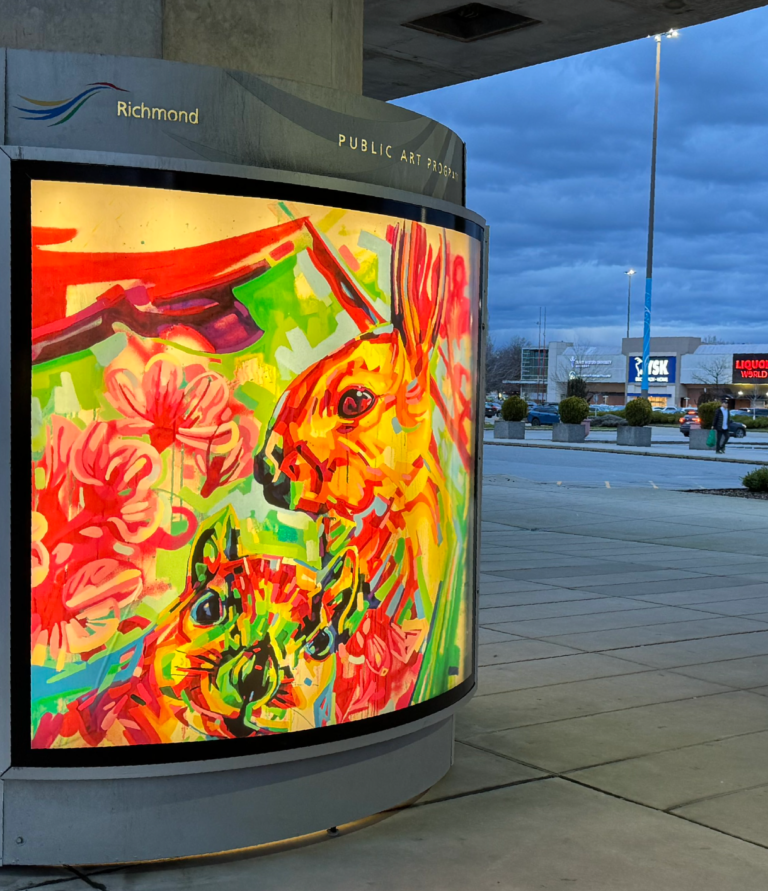
The cylindrical backlit display cases that make up the No. 3 Road Art Columns are located under the Canada Line guideway at Aberdeen and Lansdowne Stations. These distinctive displays showcase artwork by visual artists who work in 2D media and are part of the City’s commitment to enhance the No. 3 Road streetscape, as well as provide opportunities to local, often emerging, artists to exhibit their work in the public realm. The program was launched in 2010 in partnership with the Appia Group of Companies, in collaboration with InTransit BC. Since then, the program has featured the work of dozens of artists with rotating exhibitions that change twice a year.
Capture Photography Festival
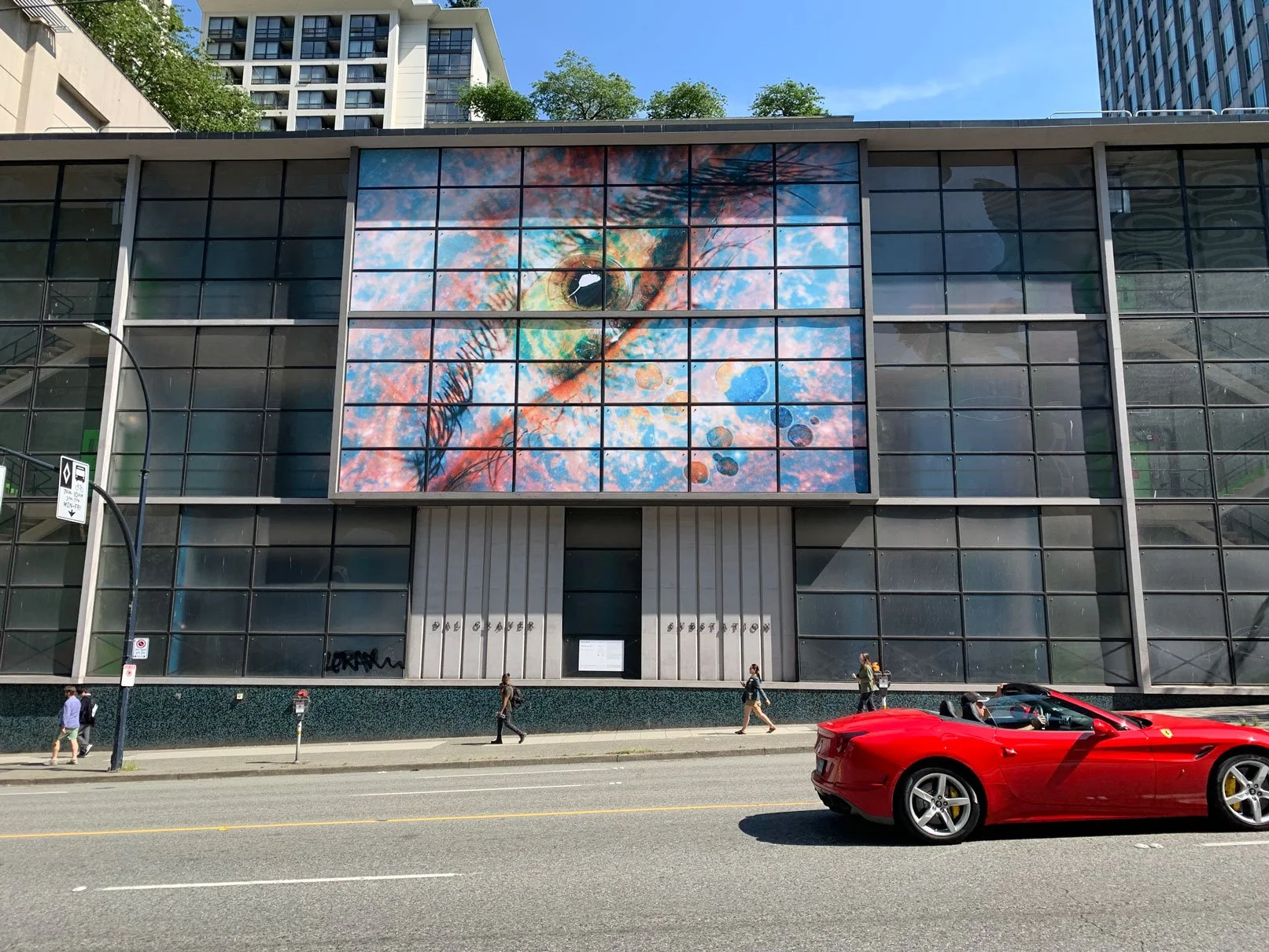
Launched in 2013, Capture Photography Festival is Western Canada’s largest lens-based art festival. Annually in April, lens-based art is exhibited at dozens of galleries and other venues throughout Metro Vancouver. Since 2018, Richmond Public Art, in partnership with Richmond Art Gallery, Capture Photography Festival, and InTransit BC has presented a series of public installations at Richmond’s Canada Line stations as part of Capture. Over the years, this program has featured a diverse range of practices by artists including Jaspal Birdi, Kyla Bourgh, Chun Hua Catherine Dong, Brendan Fernandes, Adad Hannah, Karilynn Ming Ho, Marisa Kriangwiwat Holmes, Tom Hsu, Emily Neufeld, Diamond Point, Manuel Axel Strain, Ho Tam, Chad Wong and Faune Ybarra.
Keynote speakers
-
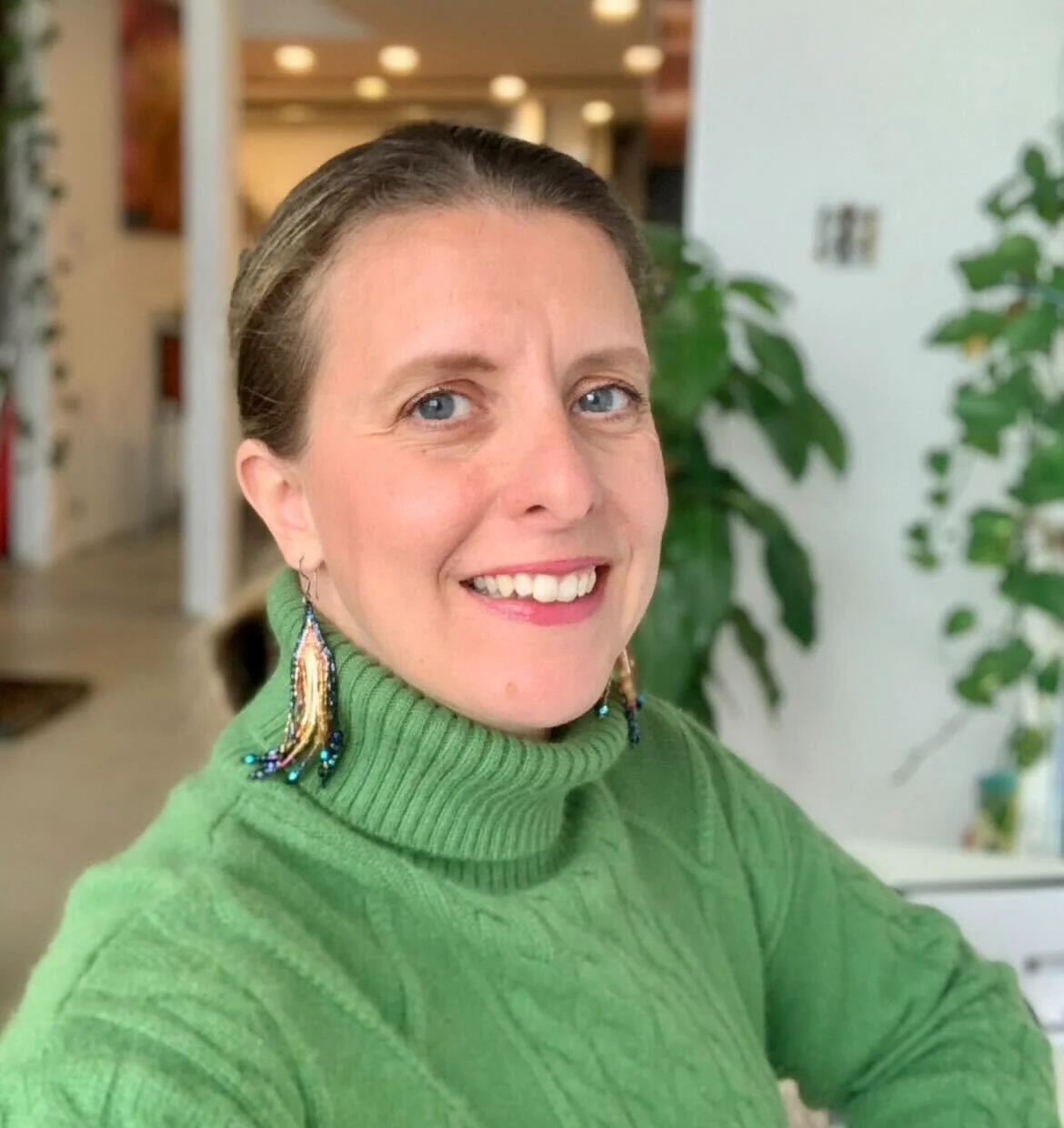
Biliana Velkova is the Public Art Planner for the City of Richmond and oversees the City’s Public Art Program. One of the main goals of the Program is to develop opportunities to maximize public art’s potential to engage communities and transform public space. Previously, she was the Arts Coordinator for the City of New Westminster and Executive Director of PAVED Arts in Saskatoon. She has an MFA from the University of Saskatchewan and a BFA from Concordia University. Biliana also has an active art practice focusing on diaspora and Slavic folklore.
-
Originally from Sofia, Bulgaria, Biliana Velkova is currently based in Vancouver, Canada. Her practice explores the significance of consumerist culture, diaspora and social identity. She has an MFA from the University of Saskatchewan and a BFA from Concordia University.
From surreal dreamscapes, to post-industrial spaces, Velkova’s work conflate opulence, folklore and kitsch. The glossy images are indicative of her fascination with popular culture and storytelling, creating a spectacle from everyday encounters and shifting realities. Through her Eastern European Slavic lens, Velkova inserts a magical realism narrative by presenting alternative ways of viewing and interpreting a post-collapse reality.
Shaun Dacey
-
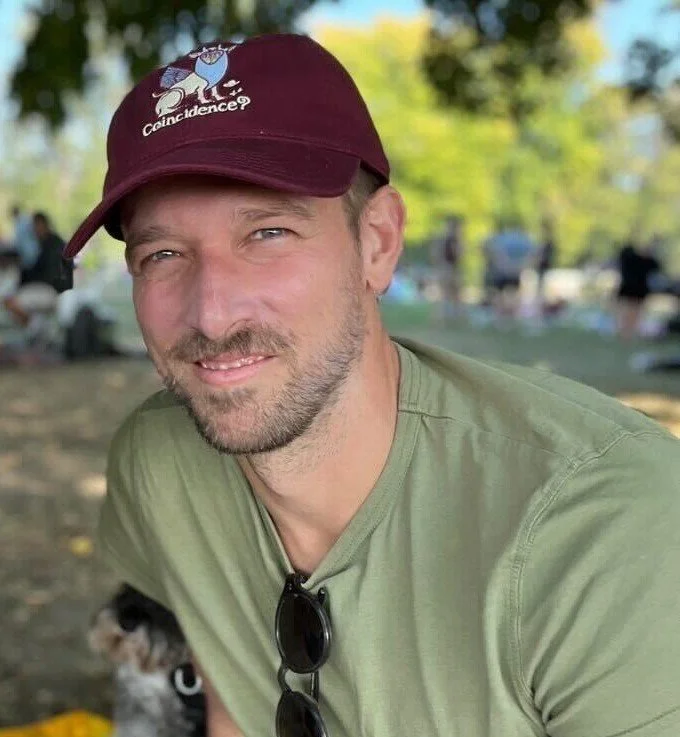
Shaun Dacey is Director at Richmond Art Gallery, where he has curated exhibitions exploring the histories and contexts of Richmond with artists including Jon Sasaki, Ho Tam and Karen Tam. Previously, he was Curator at the Contemporary Art Gallery, Vancouver, and developed its Burrard Marina Field House Studio residency program. Dacey holds a Master’s degree in Critical and Curatorial Studies from UBC, and has written for publications such as e-flux and Blackflash. He is a ninth-generation settler from the Treaty Lands and Territory of the Mississaugas of the Credit, and currently resides on the unceded territories of the xwməθkwəy̓ əm, Skwxwú7mesh, and səl̓ ílwətaʔɬ Nations
-
Shaun Dacey is Director at Richmond Art Gallery, where he has curated numerous exhibitions considering the specific histories and cultural contexts of Richmond, BC with artists such as Ho Tam, Karilynn Ming Ho, Karen Tam, Jon Sasaki, and Brendan Fernandes. Dacey holds a Master’s degree in Critical and Curatorial Studies from the University of British Columbia, and has written for various publications including e-flux and BlackFlash, among others. As CAG’s Curator of Learning and Public Programming, 2013–2014, and Curator, 2015–2016, Shaun produced a range of exhibitions, educational initiatives and off-site projects. He developed CAG’s Burrard Marina Field House Studio residency program, nurturing expansive projects with artists such as Krista Belle Stewart, Keg de Souza, Maddie Leach, Walter Scott, Marie Lorenz, Jerome Havre, and Sameer Farooq.
-
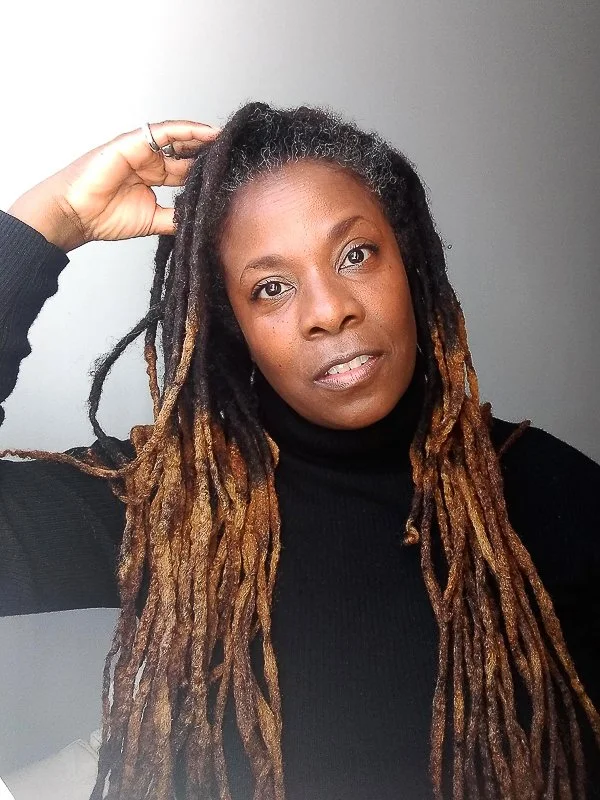
Cherry Archer is a Vancouver-based Trinidadian-Canadian multidisciplinary artist. Her art explores humanity’s relationship with and responsibility to nature. It is informed by ecopsychology, a field of study fostering ecological thinking and documenting how exposure to nature benefits mental, physical, and emotional well-being. In 2022, Archer was nominated to enter the Prix Pictet, a Swiss-based international photography award pertaining to issues of sustainability. Her photography is featured in the Hatje Cantz published book accompanying the 2023 Prix Pictet exhibition. Her botanical ice tile photography is an ongoing project. It has been exhibited in galleries throughout Metro Vancouver. She was recently selected by the City of Richmond for an installation of this series of work at Aberdeen Canada Line Station launching in May 2024
-
Cherry Archer is a Vancouver based artist. She studied photography at Focal Point, Vancouver and fashion design at Sheridan College, Oakville, Ontario. She is know for her botanical ice tile photography. Her art is strongly influenced by ecopsychology, a field which fosters ecological thinking and documents how exposure to nature benefits mental, physical, and emotional well being.
Maria filipina palad
-
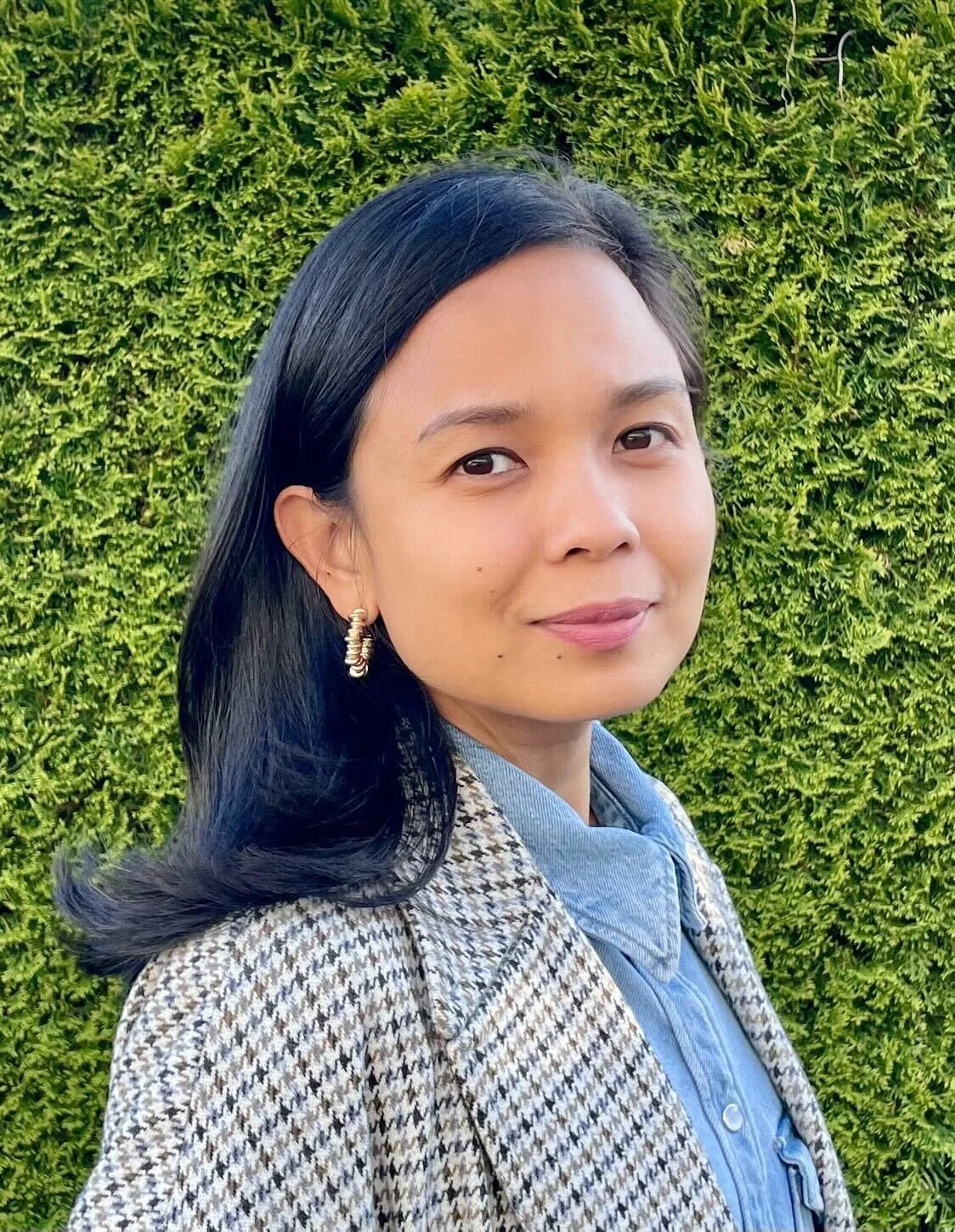
In 2023, Maria Filipina Palad curated Richmond Public Art and Richmond Art Gallery’s Canada Line installations for the Capture Photography Festival with exhibitions featuring lens-based works by emerging artists Jaspal Birdi and Faune Ybarra. Palad holds a Master’s degree in Contemporary Arts from SFU, where her essay on the aesthetics of virtual reality art was nominated for the Western Association of Graduate Schools & ProQuest Distinguished Master’s Thesis. She also studied in the Master in Arts Management program at the Istituto Europeo di Design in Italy. Her curatorial projects have been exhibited in Vancouver and Manila, Philippines. She currently serves as a Curatorial Assistant at the Richmond Art Gallery.
-
Maria Filipina Palad lives and works in the lower mainland of British Columbia, and holds an MA from Simon Fraser University (2020), where her essay was nominated for the Western Association of Graduate Schools & ProQuest Distinguished Masters Thesis. She also holds a Masters in Arts Management from the Istituto Europeo di Design in Florence and Rome, Italy (2014). Her curatorial projects have been exhibited in Vancouver, and Manila, Philippines.
PANELISTS
Saturday, MAY 6, 2024
league and the ngames:
collective creative play in urban spaces

germaine koh
-
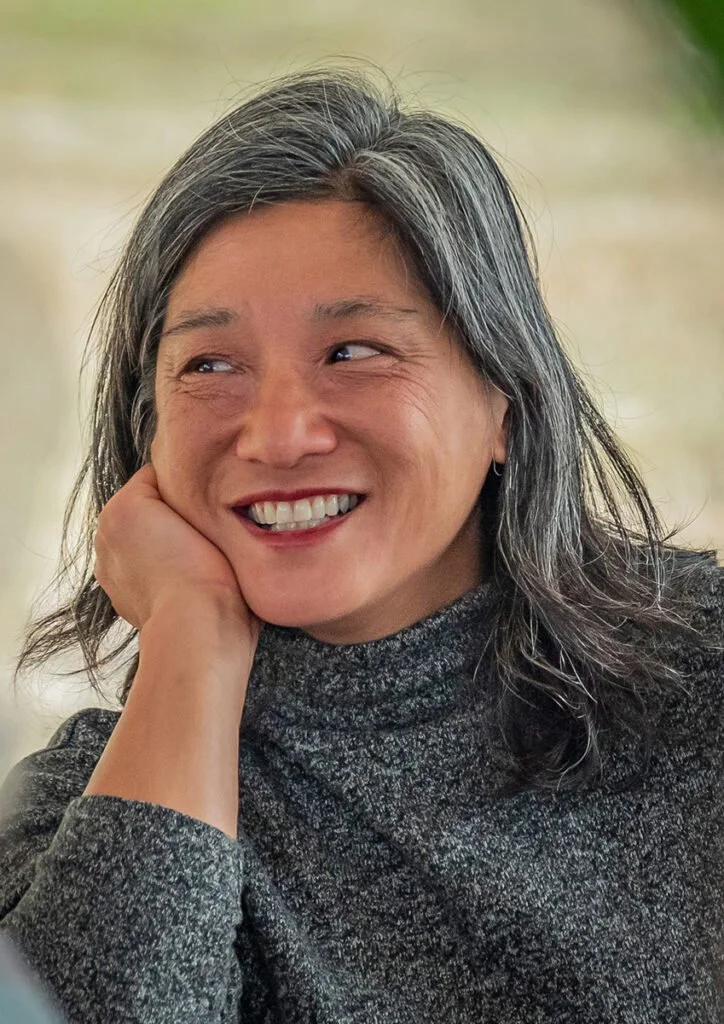
League is an ongoing project initiated in 2012 by artist Germaine Koh, which gathers community members to invent and play new games and sports as an experience of collective creative problem-solving. Within the League initiative we have occasionally organized the nGames, a novel tournament of invented games in which teams from across the city compete to see who can “solve for n, the unknown quantity.” The most recent iteration of the nGames is scheduled for downtown Vancouver in early April 2024, produced in collaboration with James Long’s performance class at Simon Fraser University and Downtown Vancouver Business Improvement Association. In this presentation, Germaine Koh will introduce the principles of League, discuss the importance of play as a form of creative practice that encourages innovation by creating occasions to embrace risk and uncertainty, and report on the recent nGames event.
-
Germaine Koh is an artist and organizer whose work ranges widely across media. Her work adapts familiar objects, everyday actions, and common spaces to create situations that look at the significance of communal experiences and the connections between people, technology, and natural systems. She is a 2023 winner of the Governor General’s Awards in Visual and Media Arts and for the 2023-24 academic year she is a Shadbolt Fellow at Simon Fraser University. She served as the City of Vancouver’s first Engineering Artist in Residence in 2018-20 and as the 2021 Koerner Artist in Residence at the University of British Columbia. Koh’s ongoing projects include Home Made Home, an initiative to build and advocate for alternative forms of housing; League, a participatory project using play as a form of creative practice. and the Hemlock Micro Studio artist residency focused on land-based and sustainability practices.
collaboration, connection and contribution:
an exploration of local voices and a sense of place
-
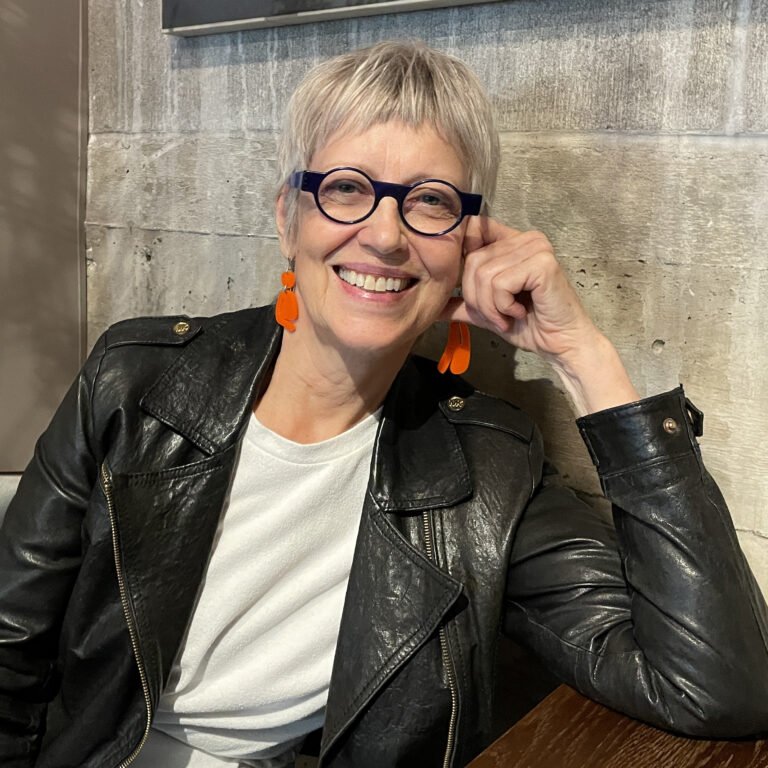
This presentation introduces Shirley Wiebe’s interdisciplinary art practice and background through the lens of three recent collaborations. Highlights from Topographies of Care, Incidental Archive and 229 ½: If Memory Walks outline her process of working with participants to create new visual forms with their contributions.
‘Topographies of Care’, was initiated in a unique art residency with hcma Architecture + Design during the first year of the pandemic. Invited to explore the common threads that united their offices and communities they serve by creating unique paper mural installations in each of their three offices. My presentation will outline a process of prolonged experimentation and its outcome of defining a sense of place for each office.‘Incidental Archive’ was presented at the Gibsons Public Art Gallery on the Sunshine Coast. It followed my hcma art residency in the second year of the pandemic. Utilizing a parallel process of collaboration with the local community, I worked with their contributed photographs of local nature. Images were cut/torn and manipulated into alternative configurations and landscapes to reveal the intricacy and diversity of local natural surroundings and it formed a 3D site-specific installation for public exhibition and interaction. People identified their own fragmentary images as part of the great whole.
‘229 ½: If Memory Walks’ tells the story of Eric Siu, a third-generation owner of a historic commercial building in Vancouver’s oldest neighbourhood. In early 2020, I became captivated by his plan to gut the interior of the building and create an eatery with family living spaces above. Drawn in by his family’s history as Chinese immigrants in the 1950’s, I documented the gutted interior and used the bones of a building to speak about family history. Together, Eric and I designed a book with my research images and collages and included an essay by a local writer, Lori Bamber, who interviewed him. Subsequently I collaborated with filmmaker Rory Mahony and musician Emil Barth to create a short film which Eric narrated.
-
Shirley Wiebe (b. Saskatchewan, lives and works in Vancouver BC; the unceded territories of Musqueam, Squamish and Tsleil-Wautuh peoples). A self-taught interdisciplinary artist, Shirley creates site-specific sculptural installations that explore the interrelationship between physical geography and the built environment. Her concepts develop through a considered exploration of community, place and materials. Shirley has been invited to collaborate with diverse groups and organizations to develop community engaged projects, and she in turn invites them to improvise with her. Recently, she reimagined her practice of working in partnership during a unique one-year art residency with hcma Architecture + Design in 2020. Collecting photo-based contributions from staff members, Shirley created distinctive mural installations for their three offices. A daily visual reminder of their commitment to design buildings, brands, and shared experiences to connect people. Shirley has exhibited in public galleries and sculpture parks throughout the Pacific Northwest.
Inspiring walls:
-
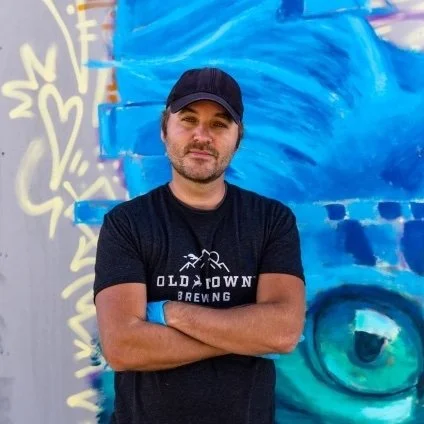
‘Inspiring walls’ is an in-depth presentation of Lukas Lundberg recent mural festival projects. Presentation covers Lukas visual art background and his participation in several international festivals including Meeting of Styles (Wiesbaden, Germany), Pompei Street Festival (Pompei, Italy), & Springbeast (Stockholm, Sweden).
environmental fears by promoting inventive small files as a strategy to promote responsible media use. Since 2021 a number of these small file animation shorts have been screened around the world including, the Cairo Video Festival Award and The Hmm online magazine, Amsterdam These small files are not so little anymore, using unique file compression and expansion techniques they have been screened successfully at movie theatre size at the SFU Theatre, The Cinematheque and the Rio Theatre in Vancouver celebrating the small file in a world of big pictures.
-
Lukas Lundberg is a visual artist based in Vancouver, Canada. He is a painter with a muralist background, alongside of his work creating special effects for feature films. Lukas’ paintings often depict vibrantly coloured monochromatic portraits of people or wildlife with abstract elements. His artistic style utilizes highcontrast elements to emphasize the motive he chooses to paint, often using a complimentary colour to reflect warm and cold tones. Selected murals include Pompeii Street Festival, Meeting Of Styles Germany, Meeting Of Styles Copenhagen, Vancouver Mural Fest, Brilliant Minds Stockholm, Springbeast Stockholm, Urban Arts Malmö, East West Mural Fest Victoria, Andina Brewing Company, Wesgroup & Penticton Art Gallery.
making big pictures from small scraps:
a guide to environmental practices in the world of high resolution
-
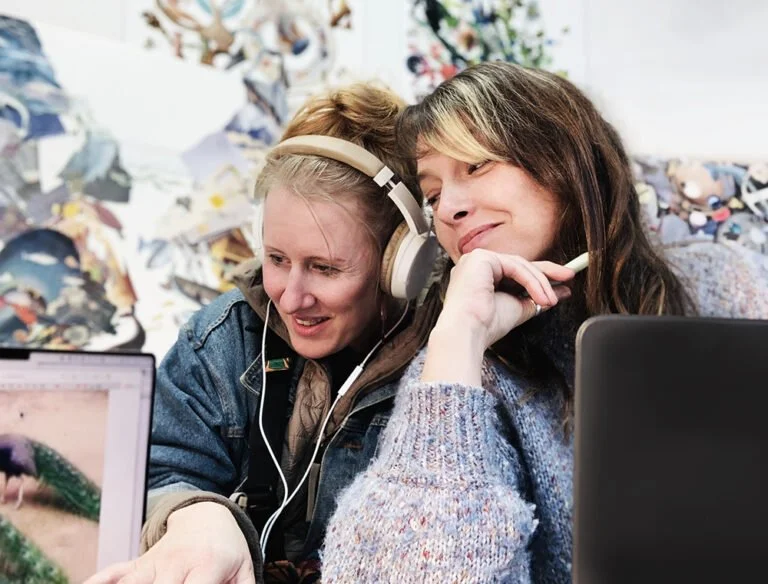
Do we really need big files to make big pictures? This in-person panel presentation would introduce my practice as an interdisciplinary image maker; more specifically the project Pocket Theatre which is a collection of six animation shorts created in collaboration with artist prOphecy sun. These small-scale animations were meant to challenge the closure of the galleries during the 2020 lockdown by reaching out to people using art through social media platforms for a ‘pocket’ gallery experience on their phones. During the year 2020, I began constructing small animation shorts using paper scraps and posting them to social media, entitled, ‘Pocket Theatre’. Sound and multi-disciplinary artist, prOphecy sun responded to the animations by improvising her sounds and music into layered soundscapes. Together we produced a number of animation shorts in small format for small viewing spaces (cell phones). Working in a small file format allowed for more rough experimentation, layering and sampling that were then collapsed for quick and easy distribution. Living in lockdown and in different cities at the time, this project allowed us to easily share files, ideas and collaborate. Despite the fact that these small file animations (5MB) were intended only to be seen in small format, they were picked up and promoted by the Small File Media Festival, hosted by Simon Fraser University, the brainchild of Professor Laura Marks. This media festival faces the carbon impact of media streaming and our collective
environmental fears by promoting inventive small files as a strategy to promote responsible media use. Since 2021 a number of these small file animation shorts have been screened around the world including, the Cairo Video Festival Award and The Hmm online magazine, Amsterdam These small files are not so little anymore, using unique file compression and expansion techniques they have been screened successfully at movie theatre size at the SFU Theatre, The Cinematheque and the Rio Theatre in Vancouver celebrating the small file in a world of big pictures.
-
Using paper cut outs to explore the past of pop culture Canadian artist Motut-Firth recombines familiar images into playful reconstructions of visual understanding. prOphecy sun (Ph.D.) is an interdisciplinary performance artist, queer, video, sound maker. Her practice celebrates both conscious and unconscious moments. Motut-Firth holds an MFA (2015) and BFA (2003) from Emily Carr University of Art + Design; she is a recipient of a number of Canada Council for the Arts, grants. She has gained international recognition for her animation shorts and has been awarded a number of scholarships as well as residencies including, the Banff Centre for the Performing Arts in Alberta. In 2016, she was a finalist for the Vancouver Arts Society Emerging Artist Award.
afroquatics:
a call and response with archives
connor tice
-
Afroquatics: A Call and Response Below the Surface is an immersive and interactive installation that sparks conversations, challenges perceptions, and transports participants into an experiential underwater landscape. The installation pulls inspiration from African spiritual practices of Orisha, the little-known history of expert freedivers that existed throughout coastal communities in West Africa, and underwater worlds imagined by many artists and storytellers of the African diaspora such as electronic music duo Drexciya. Through curiosity and contemplation participants are introduced to the intersection of ancient wisdom, modern technology, and speculative narratives. Created by multi-disciplinary artist Kemi Craig, in collaboration with immersive media company Hololabs, Afroquatics activates geodata from a GIS map tracking enslaved Africans who died during the Middle Passage with documentation from a database identifying names and origins of Africans who were kidnapped but rescued from slaver ships. By combining real data from maps and archives, Craig imagines the identities of those lost and creates a space of contemplation and healing through immersive interaction using augmented reality and video projections. Kemi is also inspired by the work of Justine A. Chambers and her idea of the body as archive and in this installation uses dance to interweave embodied experiences of past present and future. The aim of this project is to reimage the stories of the past, to craft empowering understandings that heal our present and move into our futures.
-
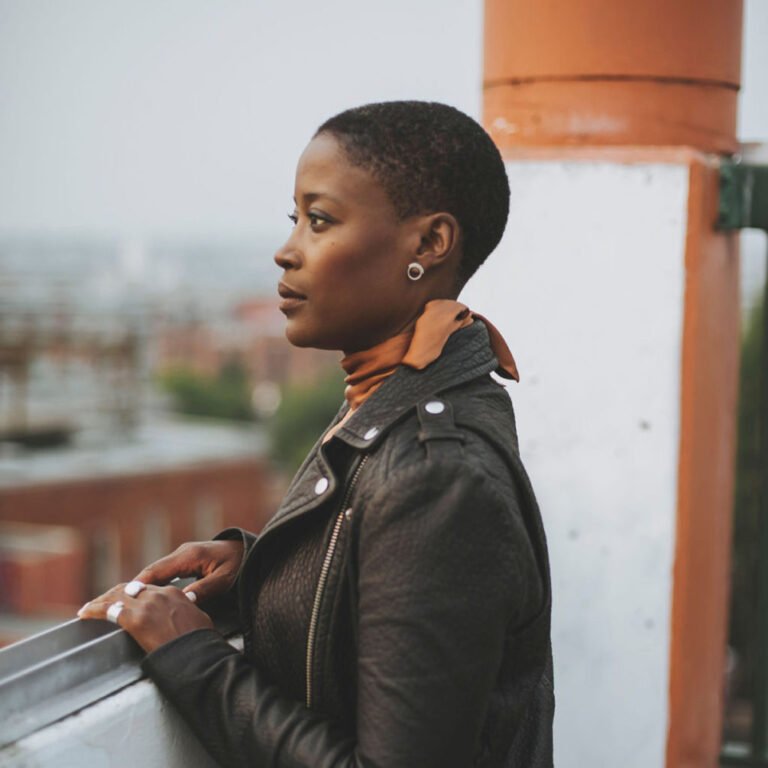
Kemi Craig is an interdisciplinary artist primarily working through dance and media based here in the Lekwungen and W̱SÁNEĆ territories. Through her lived experience as a woman of African descent, Kemi’s art utilizes movement, materiality and new media to center experiences for people with racialized and gendered bodies. She is inspired by Black history and Afrofuturism, dance that expresses and augments what we do every day, DIY culture and by visual histories and pop cultural production. Kemi is a graduate from the Emily Carr University of Art Design with a Masters degree in Fine Art. Since graduating she has exhibited and performed across BC and Canada. She has worked with the Art Gallery of Greater Victoria as a guest curator and programmer and currently works for the city of Victoria as the Artist in Residence.
-
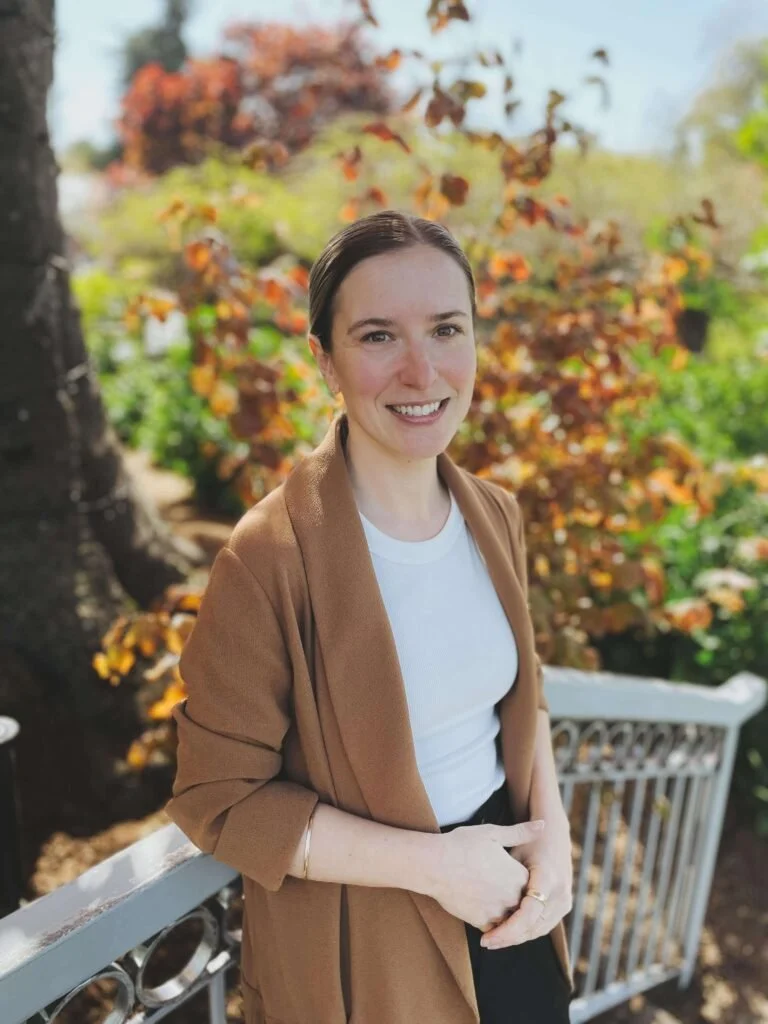
Connor Tice is the project manager for the City of Victoria’s OUR DWTN initiative, which is a revitalization program investing in the downtown core with a focus on beautification, programming, cleaning and enhanced safety and the activation of downtown spaces. In this role she works with many City departments and external community and business groups. Connor joined the City in 2016 as an Arts, Culture and Event’s Liaison. She has been overseeing the Art in Public Places Program for the past eight years and recently shifted to her new role supporting the OUR DWTN Initiative. Before coming to work at the City of Victoria, she worked in municipal government, a post-secondary business school, public galleries, and co-founded a not-for-profit organization dedicated to supporting creative industry entrepreneurs. Her formal education includes a Bachelor of Fine Arts (Emily Carr), an Applied Leadership Certificate (SAIT) and a Master of Arts (Maastricht University – Art & Heritage: Policy, Management and Education). Connor is the proud mom of two kiddos, she is humbled and grateful to raise them on the homeland of the lekwungen, known today as the Songhees and Esquimalt Nations.
co-presence with big screens:
-
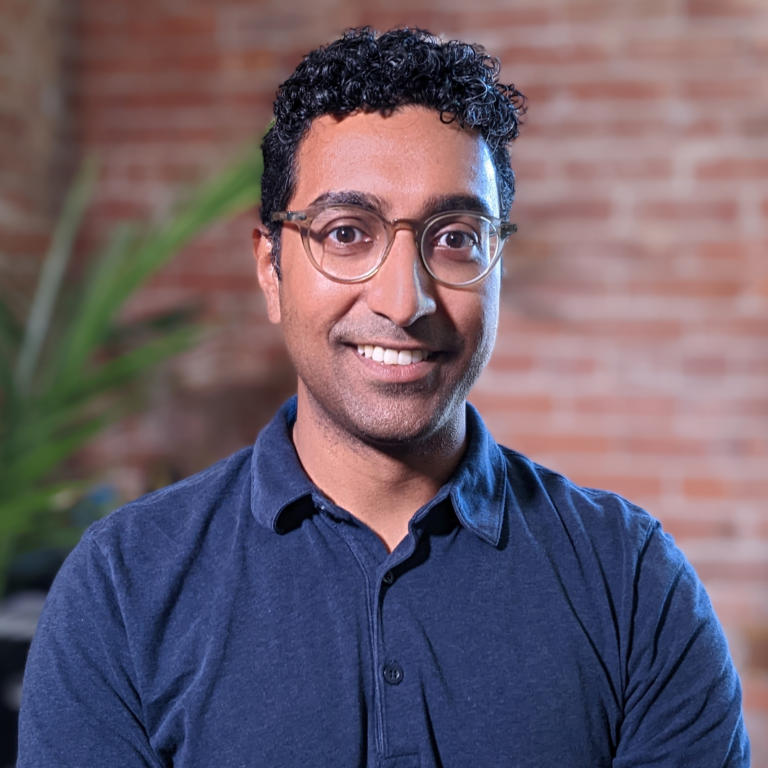
Augmented Reality art installations reveal things that are unseen, adding depth to public art, however, it is commonly limited to solo individual experiences, which is an unfortunate side effect for a large public art display. Hololabs set out to change this with our installations at the 2024 Winter Arts Festival in Victoria BC, “Glowshrooms”, directed by Brett Gaylor, and “Afroquatics”, made in collaboration with the Artist in Residence of the City of Victoria, Kemi Craig. We define co-presence as interactions with shared outcomes; a shared experience. Both installations were designed for multiple participants, whereby a mobile device is used as input to control outcomes on immersive projected displays. Participants share in the joy and discovery of their actions and the people around them. Public art is meant to be shared, especially on a big screen! Hololabs has a rich history of blending technology into public art and has a background in video game development and theme park entertainment. Interactive media should be allowed to tell a story without technology becoming a point of friction for participants. Current AR experiences are commonly not very accessible and require an app download, login to a social network account, or a high end mobile device in order to run. With “Glowshrooms” and “Afroquatics” we utilized web technologies to provide an AR experience without the need to download an app or log into an account and it runs on virtually any device. Reducing this friction point has led to an exciting amount of engagement with our artworks. In this presentation, Amesh Narsing, VP of Software Development at Hololabs, will explore how Hololabs was able to
unlock the fun in large augmented reality art installations by making them multiplayer experiences. Using web technologies and game engines Hololabs has created a new category of public art.
-
Amesh Narsing (VP of Software Development, Hololabs) is an interdisciplinary veteran of interactive media and video game development contributing to design, engineering and technical direction on over 15 launched titles. Amesh graduated from the University of Victoria with a Bachelor of Computer Science and has a background in film and graphic design. Amesh joined Hololabs as the lead programmer on the dance action game, Floor Kids (2017), which launched on all major platforms. Since then Amesh has led and directed the development of two mobile games, The Wollstonecraft Detective Agency (2020) and Sky Haven: AR Merge Adventure (2023) while contributing to and creating community driven Augmented Reality public art works. Most recently he led development of two groundbreaking multiplayer art installations, “Afroquatics” and “Glowshrooms”, at the 2024 Winter Arts Festival in Victoria BC.
public art with/and/though design:
interdisciplinary processes for making
-
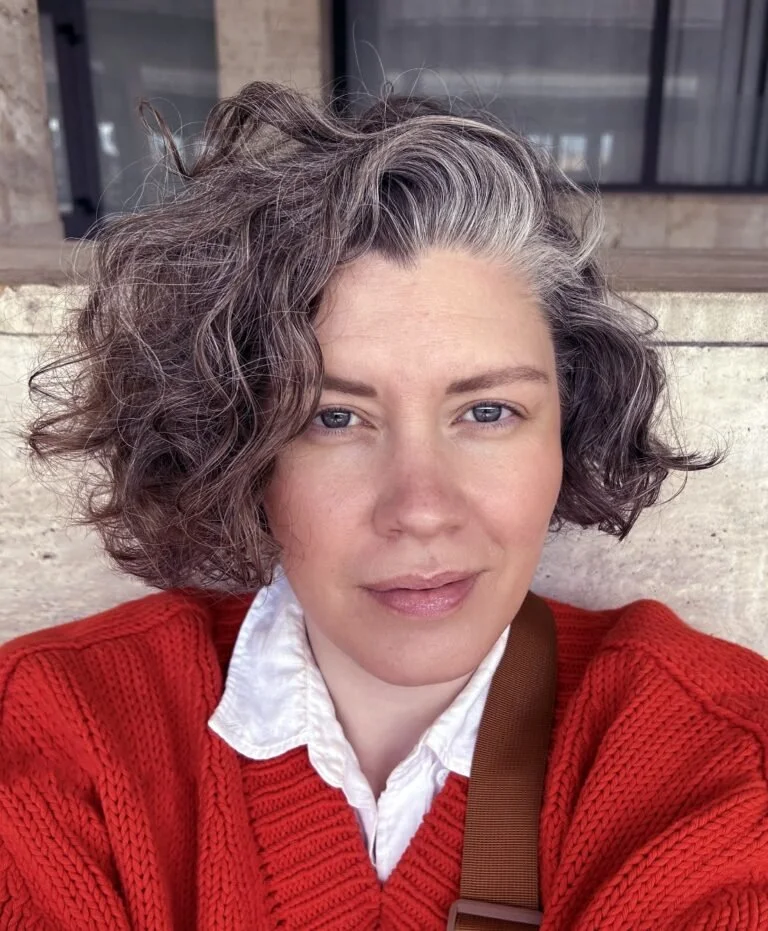
Charlotte Falk is an interdisciplinary designer, educator and researcher. Her practice is anchored in Industrial Design, and spans Communication Design, Architecture and Art. She is currently a Lecturer in Industrial, Communication and Foundation Design at Emily Carr University of Art and Design, and teaches studio courses in Design and Public Art at Langara College. Materiality, process and technique inform her research and teaching practice. Design for public space and site specificity are often at the core of her work; with lenses towards sustainable acts of care for community and biodiversity, and making-based iterative design processes. Past work includes Making Space, a series of workshops developed in partnership with Arts Assembly. These participatory events looked at alternative methods for site specificity, intuitive responses to space, and the democratization of design. Since 2010, Falk has been collaborating with renowned visual artists in the development and delivery of large-scale public art commissions. As a designer, project manager, technical consultant and collaborator, she draws on her experience in the building industry and understanding of contemporary art to bring complex public art projects to fruition.
-
N/A
on real estate storefront enchantment:
Lessons from Frederick Kiesler and the Modernist Avant-garde
-
Walking down a commercial street is to engage in a theatre of play, self-expression, and immersive spectatorship. Storefronts as the quintessential urban ad, mobilize a tight spatial threshold to manufacture the artificial desire of purchase. Through surface applique, ornament, curated sets, material manipulation, and the very alteration of the window frame, a successful commercial storefront redirects our gaze to facilitate an enchanting connection between the merchandise and the would-be customer, staging personalized stories of satisfaction, convenience, and fulfillment. Given real estate’s ubiquity as a key economic market in Vancouver, the proposal will analyze the storefront of real-estate offices and Showhomes with those designed by modernist architects and artists. The research will look at the translation of avant-garde art in service of manufactured commerce and how these artificial abstraction techniques describe and turn housing into a sellable financial asset. A key figure of focus will be Frederick Kiesler, a maverick modernist architect who wrote a distinct manual on the translation of revolutionary art in the service of retail. Kiesler envisioned the street as an auditorium and the storefront as a stage, not unlike the real estate storefront which advertises the construction of alternative lifestyles through purchased space. From his
theories on televisual ubiquity, and 4-D theatre designs, to visionary projects promoting the notion of “endless space,” Kiesler’s infatuation with architecture as magical effect will be the catalyst to fold-in other examples and ideas of enticing artifice, that pushed storefront architecture into a viable category of work for architects and artists at the time. Proclaiming the building façade as an “always-on screen sales system,” Kiesler’s prophetic perspectives would ultimately anticipate the stimulating, fleeting proliferation of electronic screens that engross our public visual experience today.
-
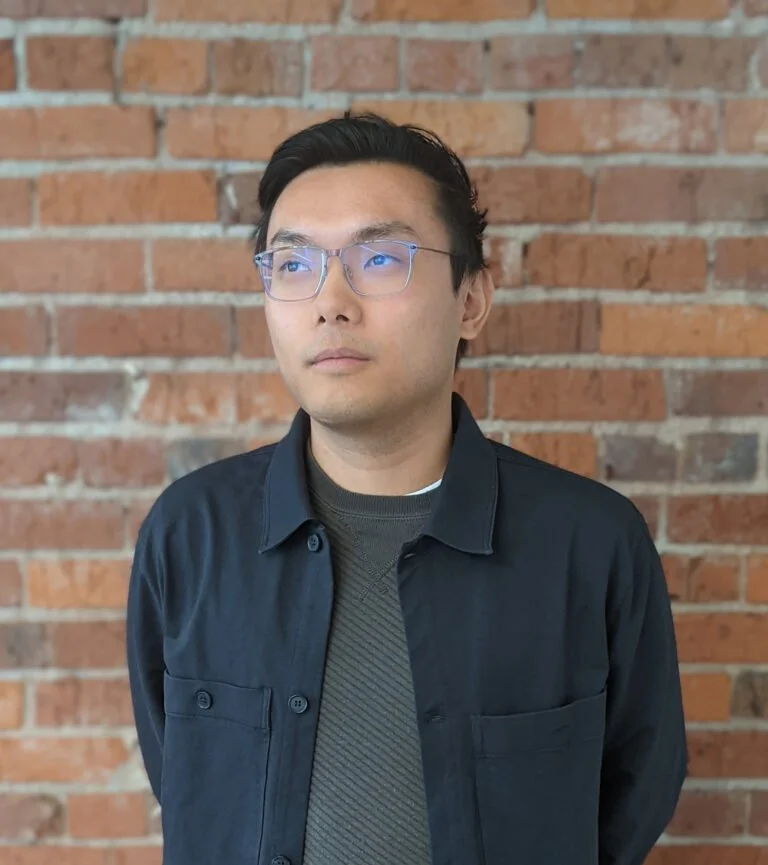
Will Fu is currently a designer based in Vancouver. Will holds a Master of Architecture from Princeton University and a Bachelor of Architectural Studies from the University of Waterloo. He has previously worked for Johnston Marklee, MPdL Studio, and Bjarke Ingels Group. His writings have been published by Pidgin, POOL, Scroope, Trans Magazin, and PLAT, and animations and drawings have been exhibited at the AA, the Sao Paulo Biennale, and the ArFrederick Kiesler – Conceptual Drawing for lighting system, 1942 (Ink on Paper 8 x 11in)ch+ Gallery in Berlin. Will’s research revolves around the relationship between social spaces and media technologies in residential architecture.
breaking the walls:
A Speculative Design for Gramural Scape in Strathcona. By Design Observers
-
This project is a spinoff of the Strathcona Food Cluster project, originally initiated by the BIA and supported by Dunefield Consultancy. Throughout our work on this endeavour, we became intimately familiar with the vibrant streetscape adorned with colourful murals. We could see these murals serve as a reliable narrative, guiding strangers through the intricate urban amalgamation of the new and old, private, and public spaces, all while providing a playful wink from the witty artists involved.
As the project unfolded, we increasingly found ourselves navigating through back alleys, where vibrant murals occasionally melded with graffiti. In these areas, the art sometimes sheds its initial charm and wit, morphing into cautionary signs. Nonetheless, even amidst this transformation, the power of storytelling persisted, serving as a testament to the resilience and adaptability of urban narratives.
As design observers, we embarked on a journey to grasp the significance and impact of facade murals juxtaposed with back-alley graffiti. In this project, we explore the potential to bridge the chasm between front-facing and back-alley visual narratives, to craft a “Gramural Scape” — a space where diverse voices find expression. To initiate dialogue on the potential of creating an interface between commissioned art and informal expressions of a communal spirit, we utilized speculative design language.
-
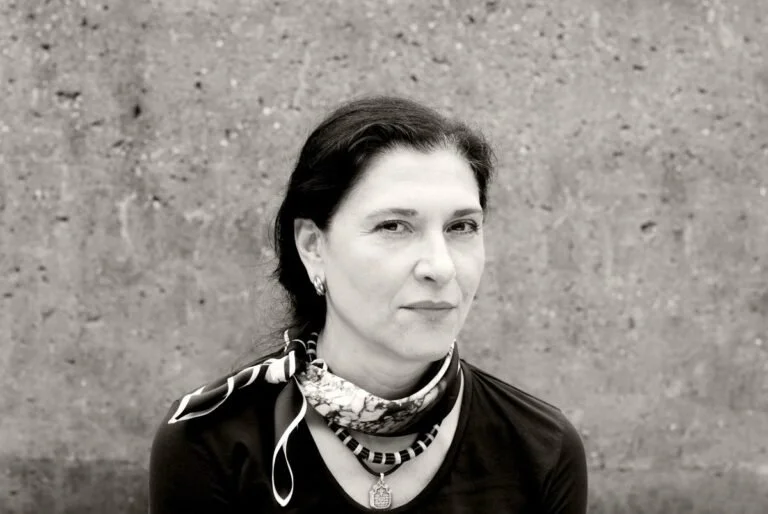
Iryna Karaush, B. Arch, M. Arch, MBA(c), serves as the co-chair and faculty in Product Design at Kwantlen Polytechnic University’s Wilson School of Design. With a strong commitment to research, Iryna focuses on Food Design in her academic pursuits. Iryna leads the innovative research group, D+FA (Design Plus Food Atelier), comprised of esteemed design faculty and motivated students. Their work centers on Human-Food Interaction (HFI), delving into the intricate relationship between individuals and food. Iryna’s research not only addresses current challenges but also anticipates and proactively tackles future dilemmas, especially within the context of climate change and disruptive technologies. Presently, Iryna collaborates with Dunefield Consultancy on research and system design for the Strathcona Food Cluster project, aimed at establishing a sustainable circular economy through collaboration among independent businesses. You can learn more about D+FA at their website. Additional Names: JooHui Im; Cheuk Yeung.
participatory placemaking:
the how and why of public mural workshops
-
Murals transform the spaces we live in by infusing them with color and visual storytelling, but these colorful additions actually sometimes alienate people who live in the area. In my decade of researching street art and being involved in various mural painting initiatives both as an artist and as an organizer, I have come to value how participatory activities can make the creation of a new mural an event that empowers community members to get to know each other and to tell their own story.
-
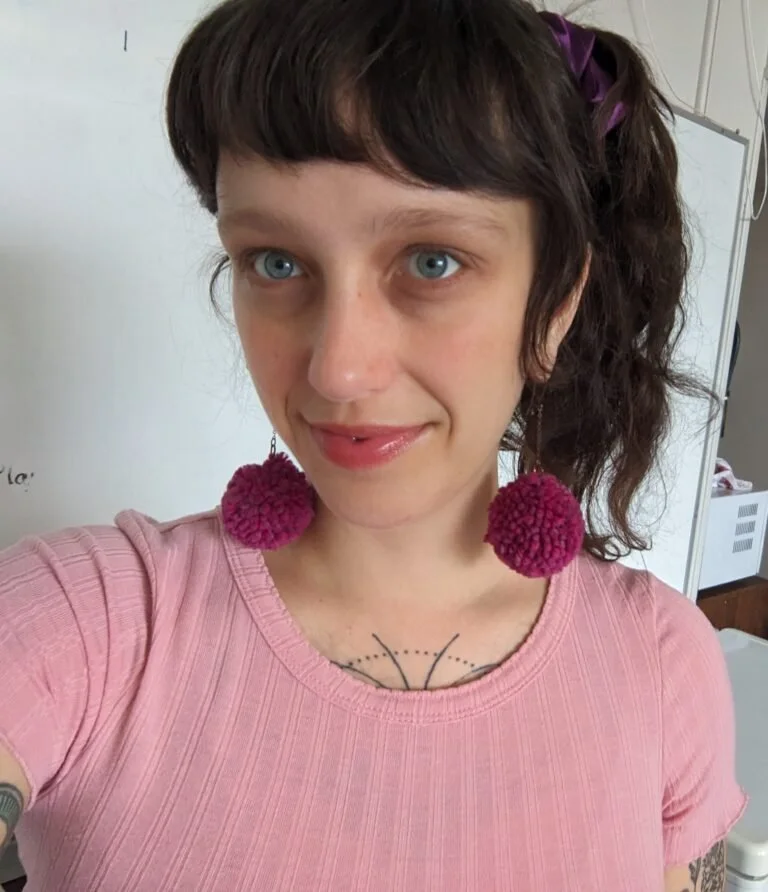
Kay Gallivan is a muralist and educator, whose artwork primarily adorns buildings in Victoria, BC and through Mexico. Her art practice frequently involves facilitating participatory experiences with local community members, culminating in a collaborative art piece. Before becoming a muralist herself, Kay curated various street art events at the Vancouver Island School of Art as well as a speaker series at the Legacy Art Gallery called Street Art and the Politics of Urban Placemaking. She often works with the Esquimalt Community Art Hub on educational activities related to muralism and Placemaking.